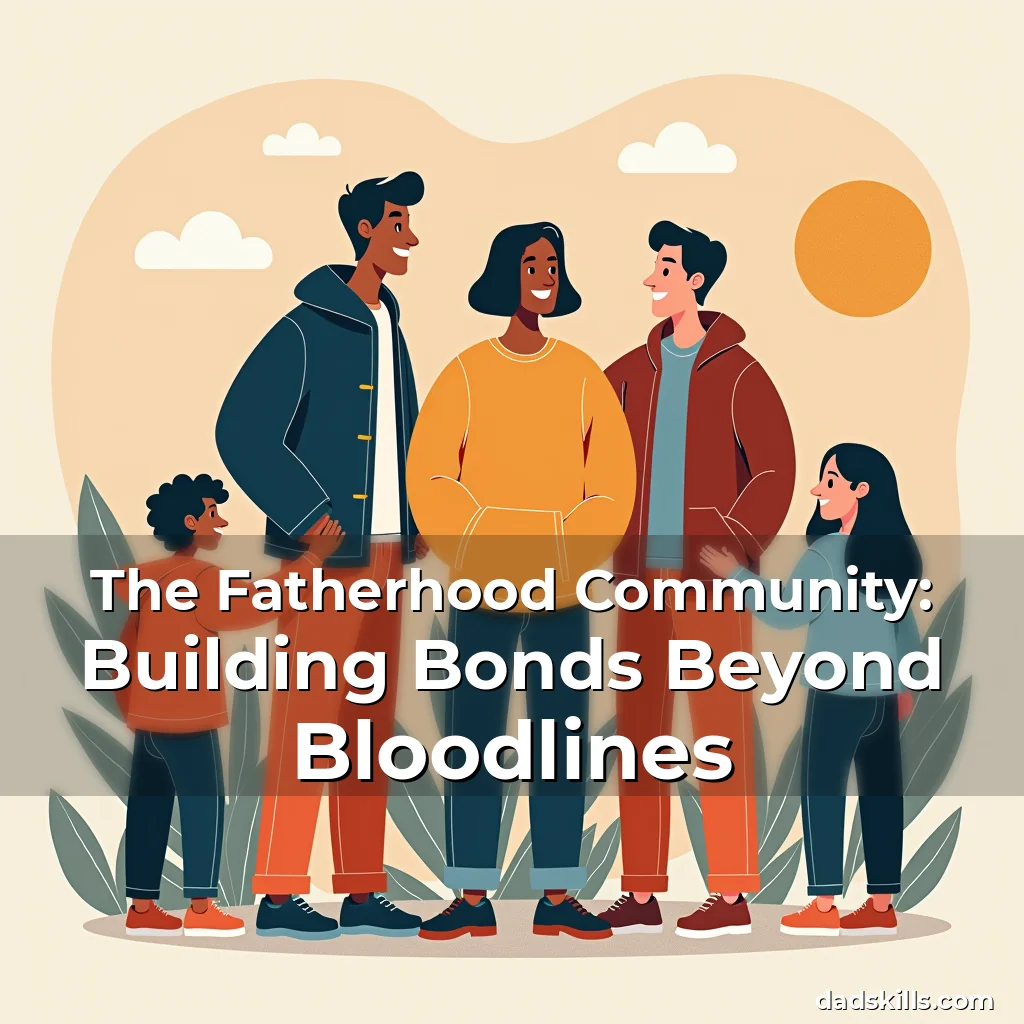
The Fatherhood Community: Building Bonds Beyond Bloodlines
Fatherhood isn’t just about raising children—it’s about forging connections, sharing wisdom, and growing alongside other men who walk similar paths. In today’s fast-paced world, the fatherhood community has become a vital lifeline for dads seeking guidance, camaraderie, and purpose.
This article explores how fathers can harness the power of collective experience, build supportive networks, and thrive in modern parenting challenges through intentional engagement with fellow dads.
The Power of Shared Experiences in Fatherhood
Fathers often feel isolated in their journey, despite the universal nature of parenting struggles. Whether navigating sleepless nights, school meetings, or balancing work and family life, the weight of responsibility can be overwhelming. Yet, connecting with others who understand these trials creates a profound sense of solidarity.
In communities centered around fatherhood, men find validation for their emotions and decisions. This shared space reduces stigma around vulnerability and fosters open dialogue about both triumphs and failures. It reminds fathers they’re never alone in their efforts.
- Emotional Support: Fathers can discuss fears, frustrations, and joys without judgment, reducing stress and improving mental health.
- Mentorship Opportunities: Experienced dads offer practical advice, helping newcomers avoid common pitfalls and adapt to evolving child-rearing norms.
Cultivating Meaningful Connections Through Local and Online Networks
Modern technology has expanded access to fatherhood communities beyond geographical boundaries. From neighborhood meetups to global online forums, dads now have countless avenues to connect with peers. These interactions bridge gaps created by busy schedules or remote living.
Local groups often organize activities like playdates, workshops, or sports events, fostering face-to-face relationships. Meanwhile, digital spaces allow fathers to share resources, ask questions, and collaborate across time zones. Both formats reinforce a sense of belonging.
Statistics Highlighting the Growth of Dad-Centric Communities
A recent survey found that over 68% of fathers participating in local fatherhood groups reported feeling less overwhelmed by parenting duties compared to those who didn’t engage. Additionally, 79% noted improved communication skills with partners and children after joining peer-led discussions.
Digital platforms have seen exponential growth; apps dedicated to fatherhood topics saw a 200% increase in users between 2020 and 2023. These numbers underscore the rising demand for community-driven support systems tailored to fathers’ unique needs.
Redefining Masculinity Within the Fatherhood Community
Traditional notions of masculinity often isolate fathers, discouraging them from expressing emotion or seeking help. However, progressive fatherhood communities challenge these stereotypes, promoting openness, empathy, and collaboration as strengths rather than weaknesses.
By embracing diverse perspectives, these communities encourage fathers to redefine what it means to be a man. They celebrate roles beyond provider and protector—such as nurturer, listener, and advocate—for children and partners alike.
- Breaking Stereotypes: Dads learn to prioritize emotional intelligence, setting healthy role models for their children.
- Encouraging Vulnerability: Open conversations about mental health reduce stigma and promote proactive care-seeking behaviors.
Educating and Empowering Dads Through Collective Learning
Knowledge-sharing lies at the heart of effective fatherhood communities. Men exchange strategies for discipline, education, and personal development, drawing from cultural backgrounds, professional expertise, and lived experiences. This collaborative learning ensures parents remain adaptable in an ever-changing landscape.
Workshops led by experts—from pediatricians to financial advisors—provide targeted skill-building sessions. Topics range from developmental milestones to budgeting tips, empowering fathers to tackle multifaceted aspects of parenthood confidently.
Case Study: The Impact of Peer-Led Workshops
In a pilot program spanning six months, 150 fathers attended weekly workshops focused on conflict resolution and child psychology. Participants showed significant improvements in patience levels and reduced instances of yelling during tantrums. Over 90% expressed greater confidence in handling challenging situations.
The success of such initiatives highlights the value of hands-on, peer-based education. When fathers teach and learn together, knowledge becomes accessible and relatable, reinforcing long-term behavioral changes.
Navigating Modern Challenges Together
Contemporary issues like screen addiction, social media pressures, and environmental concerns require innovative solutions. Fatherhood communities act as incubators for creative problem-solving, pooling ideas to address these complex problems effectively.
For instance, dads may collectively develop tech-free routines for families or brainstorm ways to instill eco-conscious habits in children. These joint efforts transform individual burdens into communal victories.
- Tech-Savvy Parenting: Groups troubleshoot digital dilemmas, offering balanced approaches to screen time management.
- Sustainable Living: Collaborative projects like zero-waste challenges inspire eco-friendly family lifestyles.
Building Stronger Families Through Intergenerational Relationships
Fatherhood communities extend beyond immediate parent-child dynamics, fostering intergenerational bonds. Grandfathers, uncles, and male mentors contribute wisdom rooted in decades of experience, enriching younger generations’ perspectives.
These relationships break down generational barriers, allowing elders to pass down traditions while younger fathers introduce contemporary values. Such exchanges cultivate mutual respect and deepen familial ties.
Benefits of Multigenerational Engagement
Research indicates that multigenerational households with active male participation report higher satisfaction rates in parenting outcomes. Elders serve as anchors of stability, while young fathers bring fresh energy and innovation.
Communities that embrace this dynamic witness stronger role modeling, as children observe diverse expressions of masculinity and caregiving. This holistic approach prepares future generations for inclusive, empathetic lives.
Advocacy and Activism Within the Fatherhood Movement
Beyond personal development, many fatherhood communities channel their strength toward broader advocacy. Dads unite to push for policies supporting parental leave, affordable childcare, and equitable education systems. Their voices amplify systemic change.
Activist groups also raise awareness about paternal mental health, domestic violence prevention, and gender equality in parenting roles. By addressing societal inequities, fathers become agents of progress for themselves and future generations.
Examples of Global Fatherhood Advocacy Efforts
In Scandinavia, campaigns led by fatherhood organizations successfully increased paternity leave uptake by 40%, reshaping workplace cultures worldwide. Similarly, African fatherhood coalitions have prioritized early childhood nutrition programs, impacting thousands of vulnerable families.
These movements demonstrate the transformative potential of unified action. When fathers rally behind common causes, they influence legislation, corporate practices, and public attitudes globally.
The Role of Storytelling and Cultural Exchange
Stories form the backbone of fatherhood communities, weaving threads of resilience, humor, and hope. Sharing personal narratives fosters deeper connections, reminding members that every dad’s journey holds lessons worth passing on.
Cultural storytelling adds richness to these exchanges, highlighting diverse approaches to fatherhood across regions and ethnicities. Whether through folktales, music, or food, traditions become bridges linking individuals to wider human experiences.
How Stories Shape Identity and Connection
A study revealed that fathers who regularly participated in story-sharing circles felt a 30% increase in self-efficacy and community integration. Listening to others’ tales normalized challenges, making them seem surmountable through shared effort.
Cross-cultural storytelling also dismantles misconceptions, replacing assumptions with authentic understanding. A Nigerian father recounting his approach to discipline, for instance, could inspire a Scandinavian dad to adopt hybrid methods respectful of both contexts.
Creating Lasting Legacies Through Mentorship
One of the most enduring contributions of fatherhood communities is mentoring. Seasoned dads guide newcomers through their transitions, whether becoming first-time parents, adopting, or re-entering parenting roles post-divorce. This transmission of knowledge sustains the cycle of growth.
Mentorship extends to non-traditional scenarios, such as single-father households or blended families. By normalizing these realities, communities foster inclusivity and reduce isolation among marginalized dads.
Measuring the Long-Term Benefits of Mentoring
Longitudinal studies show mentored fathers exhibit enhanced parenting skills and lower burnout rates five years later. Children raised by these dads display superior emotional regulation and academic performance due to consistent positive role models.
Moreover, mentorship builds trust within the community itself. As one dad helps another, he gains credibility and respect, creating a ripple effect of generosity and cooperation that strengthens the entire network.
Conclusion
The fatherhood community represents far more than casual gatherings—it’s a movement reshaping how men define love, leadership, and legacy. By uniting around shared goals, fathers unlock their full potential as caregivers, advocates, and lifelong learners.
To join this thriving ecosystem, consider attending a local event, joining an online forum, or simply reaching out to another dad. Your voice matters, your perspective counts, and your presence contributes to a brighter future for families everywhere.

news is a contributor at DadSkills. We are committed to providing well-researched, accurate, and valuable content to our readers.